
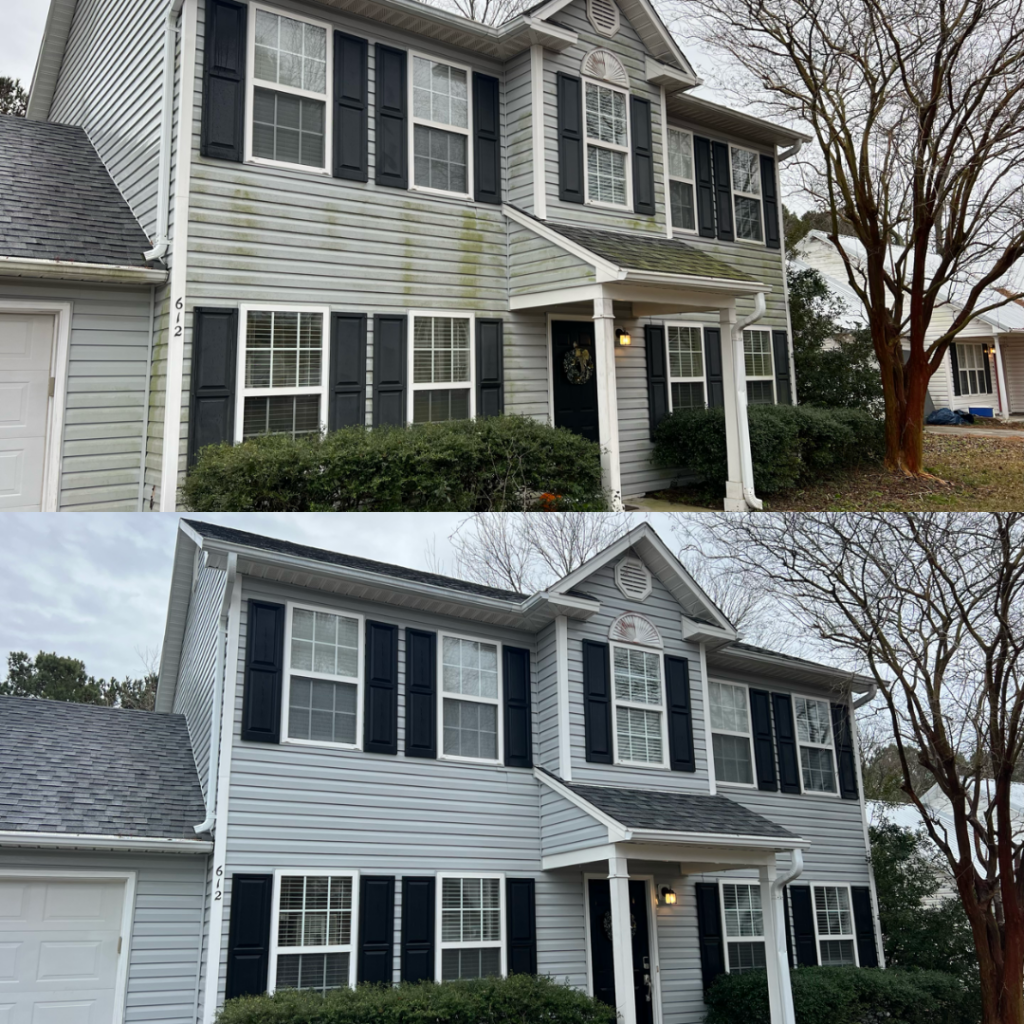
Pressure washing is one of the most effective ways to restore your home’s exterior, remove dirt, mold, mildew, and algae, and improve curb appeal. However, improper use can damage surfaces and lead to costly repairs. Whether you’re tackling your siding, deck, driveway, or roof, knowing how to pressure wash correctly is key to a safe and effective clean. In this guide, we’ll cover everything you need to know to pressure wash your home safely without causing damage.
1. Understanding Pressure Washing
Pressure washing, also called power washing, uses high-pressure water to clean exterior surfaces. It’s commonly used on:
- Siding (vinyl, wood, brick)
- Driveways and walkways
- Decks and fences
- Roofs
- Gutters and outdoor furniture
The main advantage is that it can remove years of dirt, algae, and other buildup quickly. But with great pressure comes great responsibility—too much force can damage paint, wood, or delicate surfaces.
2. Know Your Surfaces
Different materials require different pressure levels and techniques. Here’s a quick guide:
Vinyl Siding
- Use a pressure setting of 1300–1600 PSI.
- Keep the nozzle at least 6–12 inches away to prevent dents or cracks.
- Use a wide-angle spray tip to avoid concentrated force.
Wood Surfaces (Decks & Fences)
- Lower pressure: 500–600 PSI for softwood.
- Always spray with the grain to avoid splintering.
- Avoid prolonged spraying on one spot.
Brick & Stone
- Higher pressure is generally safe: 1500–2000 PSI.
- Use a fan spray tip and hold at least 12 inches from the surface.
- Be careful with old mortar; high pressure can erode it.
Driveways & Concrete
- Can handle higher pressure: 2500–3000 PSI.
- Use a rotating surface cleaner for even results.
- Avoid sharp angles that can chip edges.
Roof Shingles
- Use soft washing techniques instead of direct high pressure.
- Avoid metal tips; soft washing prevents granule loss on asphalt shingles.
- Use appropriate cleaning solutions to remove algae or moss.
3. Safety First
Pressure washing can be dangerous if proper precautions aren’t taken:
- Wear protective gear: Gloves, goggles, and closed-toe shoes.
- Be cautious with ladders: High-pressure water can knock you off balance.
- Check your surroundings: Remove furniture, plants, or décor that could be damaged.
- Avoid electrical hazards: Keep the pressure washer away from outlets and wiring.
Safety is just as important as effectiveness when cleaning your home’s exterior.
4. Choosing the Right Pressure Washer
Pressure washers are rated in PSI (pounds per square inch) and GPM (gallons per minute). For homeowners:
- Light-duty: 1300–2000 PSI, suitable for cars, patio furniture, and light cleaning.
- Medium-duty: 2000–2800 PSI, ideal for siding, decks, and driveways.
- Heavy-duty: 2900+ PSI, typically for commercial use or large concrete surfaces.
Tip: Too much pressure is often worse than too little. Start low and increase gradually.
5. Using the Correct Nozzle
Pressure washer nozzles determine the spray pattern and intensity:
- 0° (red): Concentrated, high pressure, use only for tough concrete stains.
- 15° (yellow): Medium spray, good for stripping dirt on concrete.
- 25° (green): General cleaning for wood, siding, and brick.
- 40° (white): Gentle spray for delicate surfaces like windows or painted wood.
- Soap nozzle (black): For applying cleaning solution at low pressure.
Tip: Always test on a small, inconspicuous area first.
6. Prepping Your Home
Before you start spraying, prep your exterior:
- Remove obstacles: Plants, décor, and furniture.
- Cover electrical outlets and lights with waterproof covers.
- Close windows and doors to prevent water intrusion.
- Check for damage: Loose shingles, cracked siding, or peeling paint should be repaired before pressure washing.
Proper prep saves time and prevents accidental damage.
7. Cleaning Solutions
While water pressure removes most dirt, adding a cleaning solution can improve results:
- Vinyl siding: Mild detergent or vinyl-safe cleaner.
- Wood decks: Oxygen bleach solution for mold and mildew.
- Roof algae: Soft wash solutions designed for asphalt shingles.
- Driveways: Concrete cleaners for oil and rust stains.
Tip: Always rinse thoroughly to prevent residue that can damage surfaces.
8. Pressure Washing Techniques
- Maintain distance: Keep the nozzle at the recommended distance for the surface.
- Spray angle: Use a 45° angle for general cleaning; avoid direct perpendicular spraying on delicate surfaces.
- Keep moving: Don’t hold the spray in one spot too long.
- Work top to bottom: Start at the roof or siding top and move downward to avoid streaking.
9. Aftercare and Maintenance
Pressure washing is most effective when part of regular home maintenance:
- Inspect surfaces for damage or wear.
- Apply sealants or paint touch-ups on wood or siding.
- Clean gutters and downspouts to complement your pressure washing.
- Schedule regular washes—1–2 times per year for most homes in Wilmington, NC, especially near the coast.
10. When to Hire Professionals
While DIY pressure washing is possible, professional services have advantages:
- Proper equipment and pressure settings for every surface
- Eco-friendly and safe cleaning solutions
- Experience handling delicate areas like roofs, windows, and painted surfaces
- Saves time and reduces the risk of accidental damage
In coastal areas like Wilmington, NC, professionals know how to combat mold, algae, and salt residue without harming your home.
Final Thoughts
Pressure washing is an essential part of maintaining your home’s exterior. When done correctly, it restores curb appeal, prevents long-term damage, and extends the life of your surfaces. By understanding your surfaces, using the right equipment, and applying proper techniques, you can achieve a safe and effective clean.
Whether you choose DIY or hire a professional, following these tips ensures your home looks refreshed and protected year-round. Don’t let dirt, mold, and grime diminish your home’s beauty—pressure wash it safely and enjoy the results for years to come.