
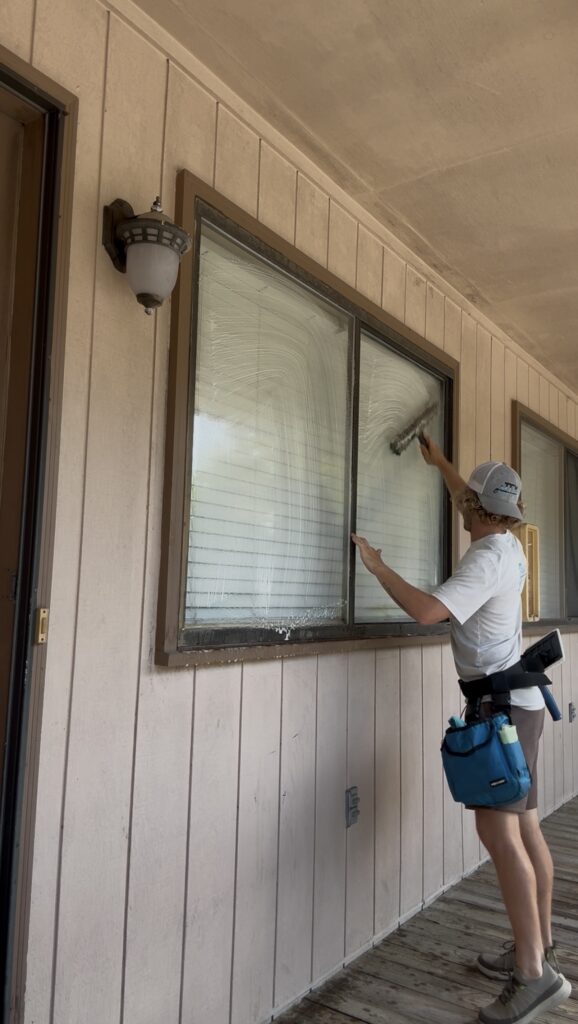
Keeping windows clean is essential for any home, but it becomes especially important for coastal properties. Salt, humidity, and wind-blown debris can quickly build up on windows, leaving them cloudy, streaky, and even causing long-term damage. With proper care and technique, you can maintain sparkling windows that enhance your home’s appearance and protect your investment. This guide will walk you through the step-by-step process of cleaning windows for coastal homes.
Why Window Cleaning Is Crucial for Coastal Homes
Windows are more than just a view to the outside; they play a vital role in protecting your home from the elements. Coastal environments expose homes to salt spray, high humidity, and intense sunlight. Over time, this exposure can cause:
- Corrosion on metal frames
- Mineral deposits on glass
- Mold or mildew growth on window sills and edges
Regular window cleaning not only improves curb appeal but also helps extend the lifespan of your windows and prevents costly repairs.
Understanding Coastal Challenges
Salt Buildup
Salt from the ocean air can accumulate on windows, leaving white streaks and spots. If left uncleaned, salt can etch into the glass or corrode metal frames.
Humidity and Moisture
High humidity promotes mold and mildew growth. Moisture can collect around window seals, making thorough cleaning and drying essential.
Wind-Blown Debris
Coastal winds carry sand, dust, and other debris that scratch and dull your windows. Proper cleaning techniques can remove these particles without causing further damage.
Tools and Supplies You’ll Need
To clean windows effectively and safely, gather the following tools:
Squeegees and Scrapers
A high-quality squeegee helps remove water and cleaning solution without streaks. Plastic scrapers can gently remove stubborn buildup.
Eco-Friendly Cleaning Solutions
Choose mild, biodegradable solutions designed for glass. Avoid harsh chemicals that can damage window seals or frames.
Ladders and Safety Gear
Use a stable ladder for high windows. Wear gloves and safety goggles to protect your hands and eyes.
Preparing Your Windows for Cleaning
Before applying cleaning solutions, prepare the area:
Remove Obstacles and Cover Surrounding Areas
Move furniture, plants, or decorations away from the windows. Use drop cloths to protect floors and window sills from drips.
Inspect for Damage
Check for cracks, broken seals, or deteriorating caulking. Address these issues before cleaning to avoid further damage.
Step-by-Step Window Cleaning Process
Follow these steps for clean, streak-free windows:
1. Rinse Windows First
Use a hose with gentle water pressure to remove loose dirt, salt, and debris. Avoid high-pressure washing, which can damage seals.
2. Apply Cleaning Solution
Mix an eco-friendly window cleaner with water in a spray bottle. Spray evenly across the glass surface, covering the entire pane.
3. Scrub Gently
Use a soft sponge or microfiber cloth to loosen stubborn dirt and salt buildup. Pay attention to corners and edges where debris accumulates.
4. Squeegee Techniques for a Streak-Free Finish
Start at the top of the window and pull the squeegee downward in a straight line. Wipe the squeegee blade with a clean cloth after each pass. For larger panes, use overlapping strokes to prevent streaks.
5. Wipe Frames and Sills
Don’t forget frames and sills—they often collect dirt and water. Use a damp cloth to wipe them clean and dry thoroughly to prevent mold and mildew.
Tips for Hard-to-Reach Windows
For second-story or high windows, consider:
- Extension poles for squeegees and scrubbers
- Telescopic ladders with proper safety precautions
- Professional services for especially tricky or dangerous locations
Never compromise safety for convenience; coastal homes often have large or uniquely designed windows that require careful attention.
Maintaining Your Windows Between Cleanings
To keep windows looking great between full cleanings:
- Wipe down windows after heavy storms
- Use a water-repellent coating to minimize salt buildup
- Check seals and frames regularly for signs of damage
Regular maintenance prevents long-term damage and reduces the frequency of intensive cleaning sessions.
When to Hire Professionals
While homeowners can handle most window cleaning, hiring professionals is recommended when:
- Windows are too high or hard to reach safely
- Frames or glass have persistent stains or salt buildup
- You want guaranteed streak-free, polished results
Professional cleaners have specialized equipment and expertise to safely maintain coastal windows.
Final Thoughts
Coastal living comes with unique challenges for maintaining windows. By understanding the environmental factors and following a step-by-step cleaning routine, you can preserve the clarity and integrity of your windows. Proper window care enhances curb appeal, protects your home, and ensures that your views remain beautiful year-round.
Whether you tackle window cleaning yourself or hire professionals, the key is consistency, safety, and attention to detail. Clean windows are more than just aesthetic—they are an investment in the longevity and beauty of your coastal home.